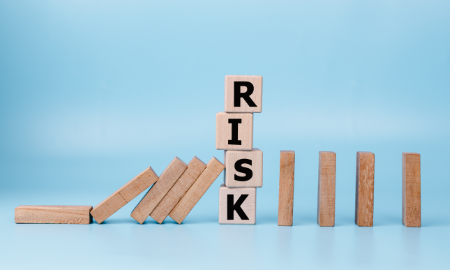

Geopolitics is a growing enterprise risk, with concerns about state intervention, sanctions and trade reshaping how global general counsel should approach corporate governance, according to a Lex Mundi report.
The study – Embracing Geodisruption: 2026 Lex Mundi Summit Report – outlines four operating realities that are shaping the 2026 GC agenda: geopolitics, political scrutiny, corporate diplomacy and building anti-fragile organisations that can take advantage of the volatile risk landscape.
The report, which was based on Lex Mundi General Counsel Summit discussions with senior in-house legal counsel at some of the world’s largest companies, including Microsoft, Rio Tinto, Ralph Lauren and TotalEnergies, highlighted how the underlying risk environment has shifted. In the past, GCs had the room to scenario plan based on “statistical estimates of event occurrences”.
By contrast, the current risk landscape means the prevailing global order can no longer be taken for granted, which makes scenario planning far more challenging. This means GCs must integrate constantly shifting geopolitical insight into business strategy.
At the same time, organisations are facing increased political pressure and conflicting demands from governments, investors and activists. This requires GCs to advise on decisions with simultaneous legal, political and social consequences.
Helena Samaha, president and CEO of independent law firm network Lex Mundi, said: “The accelerating politicisation of business is fundamentally reshaping the role of the general counsel. Legal leaders are no longer operating solely as advisers on compliance and risk, but as strategic partners engaged in corporate diplomacy – navigating divergent regulatory regimes, managing sensitive stakeholder relationships and helping boards make decisions in conditions of profound uncertainty.”
Corporate diplomacy therefore is now a core capability for GCs, who must move beyond traditional compliance to start anticipating policy shifts while also engaging more actively with policymakers to pre-empt crises before they hit.
Meanwhile, GCs should take the lead on embedding anti-fragility into their business strategies so organisations can benefit from the more unpredictable risk climate by converting uncertainty into a competitive advantage, the report says.
Samaha added: “What distinguishes leading organisations today is their ability to build anti-fragility: the capacity to adapt, respond and even gain strength from volatility. That requires global perspective, deep local insight and legal teams that are empowered to anticipate change rather than react to it.”
A report published earlier this week by The Corporate Governance Institute found that UK businesses are not doing enough to address governance blind spots, though a report by FTI Consulting and Relativity earlier this month found that global GCs are more confident about handling the accelerating risk landscape.
Email your news and story ideas to: [email protected]