
While a majority of pupils are positive about their pupillage experience, almost a third of disabled pupils reported a negative experience, according to a Bar Council survey.
The Bar Council’s annual survey of pupillage showed that while 83% of respondents had a positive experience overall, 30% of disabled pupils – who account for 20% of all respondents – reported having a negative experience.
Neurodivergent pupils were also twice as likely to say they were either ‘not satisfied’ or ‘neutral’ with their pupillage induction.
Fewer than 10% of respondents were practising (second six); those who did respond were significantly more negative about pupillage than those in their first six. Those respondents expressed greater doubts about a future at the Bar, experiencing higher stress and more frequently encountering bullying, harassment and discrimination, especially women and disabled pupils. A lack of work-life balance was the main reason given for a career at the Bar not being viable.
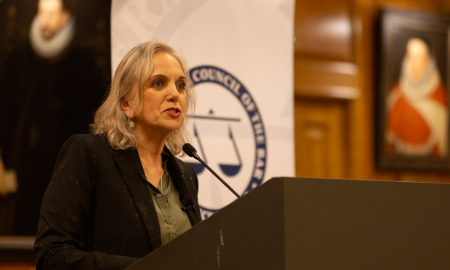
Bar Council chair Kirsty Brimelow KC addressed the findings, saying: “One focus of mine is improving access to practice for barristers with disabilities, seen and unseen, and those who are neurodivergent.”
Noting the publication of a new neurodiversity guide, she said the Bar Council would “continue to work closely with chambers using the findings of this and previous surveys, to ensure that our pupils have a strong and positive start at the Bar”.
The survey, however, did indicate a decrease in bullying incidents, particularly compared with the broader Bar. Some 21 pupils (18%) reported experiencing such behaviours, down from 28% in 2025 and 26% in 2024. Most respondents (59%) said other barristers were to blame, while almost one in four (24%) said it was their pupil supervisor (an increase from 18% last year). A third singled out judicial behaviour.
Of the 119 pupils who responded to the survey on bullying issues, 16 (13%) had experienced it personally, while five more had witnessed it. However, 40% of practising pupils that responded said they had experienced bullying at the Bar.
The survey follows last year’s independent review of bullying, conducted by Baroness Harman KC, which recommended appointing a commissioner to oversee conduct issues, leading to Dame Maria Miller’s appointment.
Brimelow, who has made tackling harassment one of her 2026 priorities, added there was “no place for bullying at the Bar” in working with Miller to stamp out these behaviours.
Miller said: “Experiences of inappropriate behaviour have a detrimental impact on pupils – two-thirds who reported personally experiencing inappropriate behaviour told us their overall experience of pupillage was a negative one”.
She added: “We will be providing guidance, support and advice to the Bar as well as promoting good practice and campaigning for change.”
The survey also showed about 37% of candidates secured pupillage on their first try, while 48% gained a place after two or three attempts and 16% needed multiple attempts to secure a pupillage. The application process was competitive, with 90% of applicants describing applications as either quite or very challenging.
More than 75% of respondents suggested that the pupillage recruitment process could be improved by providing better feedback, and 52% emphasised that chambers should respond to unsuccessful applications.
Some 30% of pupils attended Oxbridge, 35% studied at a Russell Group university, 11% went to other universities and 23% were educated elsewhere. Oxbridge graduates were more likely than others to obtain financial awards of £60,000 or more. Meanwhile, less than 10% of pupils in publicly funded sectors, such as crime and family, received awards exceeding £60,000. In contrast, 46% of pupils working in corporate fields, such as commercial disputes, received awards above that threshold.
The survey – the fifth of its kind – attracted a 30% response rate from 472 pupils.
Email your news and story ideas to: [email protected]