ExxonMobil lawyer James Quinn – partner and co-chair of litigation at New York law firm Weil Gotshal & Manges – claimed that the state’s case was based on ‘hindsight, scapegoating and money’, according to the New Hampshire Union Leader.
Water contamination
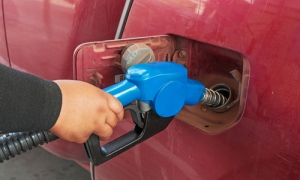
The case surrounds the additive MTBE, which ExxonMobil - then Exxon – added to gasoline as an oxygenate in the late 1980s. The additive was then increased to comply with EPA clean air standards in the 1990s.The state first sued ExxonMobil and 25 other oil companies in 2003, alleging that they caused widespread water contamination by distributing gasoline containing MTBE.
In his closing statement, Mr Quinn re-stated ExxonMobil’s argument that the benefits of MTBE - reducing air pollution from gasoline fumes - outweighed the impact on water quality, which was described as minimal.
'No choice'
‘We acted in response to government mandates,’ Mr Quinn told the jury. ‘We're basically being sued for something we had no choice in.’
Mr Quinn added that the state chose to adopt reformulated gas with MTBE to meet clean air standards despite other options being on the table, and now they are trying to ‘run away’ from their choice while ‘looking for a lot of money’ and ‘looking for a scapegoat’.
Sher Leff partner Jessica Grant, the state’s lead attorney, denied Mr Quinn’s claims and contended that the case is about ‘deliberate’ choices made by ExxonMobil.
Damages
Ms Grant also claimed that the cost of clean-up, treatment and future monitoring is more than $800 million. She said that the state estimates ExxonMobil has close to 30 per cent of the wholesale gasoline market in the state, making its share of damages to $236 million.
However, David Lender - chair of Weil’s global litigation department – argued that the clean-up costs will be closer to $54m, while ExxonMobil only has a 6 per cent wholesale market share in the state.
Both parties have already indicated they are already laying the groundwork for an appeal.
Email your news and story ideas to: [email protected]