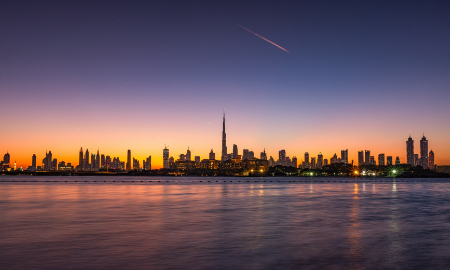

UK lawyers based in the Middle East have been advised to take shelter following the outbreak of hostilities between the US, Israel and Iran over the weekend.
On Saturday, the US and Israel launched attacks against Iran, which quickly retaliated by targeting Gulf Cooperation Council countries hosting US military forces, including Bahrain, Qatar, the UAE, Kuwait and Iraq.
Writing on LinkedIn, Bar Council chair Kirsty Brimelow KC, said: “We are aware of our colleagues at the Bar who are currently working in the Gulf and the Bar Council stands in support of them.”
The Bar Council also reiterated the Foreign, Commonwealth and Development Office’s advice for barristers to ‘register your presence abroad’, noting that Ryan Tunkel at 4 Stone Buildings was coordinating requests and queries by email, and that it would offer support to barristers alongside chambers. The Law Society of England and Wales declined to comment on the ongoing conflict.
UAE airspace is currently closed, with numerous flight cancellations and suspensions affecting the Gulf region. The FCDO advises against all but essential travel to the UAE, citing regional escalation that poses significant security risks.
The FCDO added: “Due to reported missile attacks, British nationals in the UAE should immediately shelter in place. Remain indoors in a secure location, avoid all travel and follow instructions from the local authorities.”
Media reports suggest the UK government is considering evacuation plans should the airspace in the region remain closed, in line with previous conflicts. Reports have indicated attacks on Dubai’s international airport, one of the busiest airports globally, as well as on popular tourist spots like the Fairmont Palm Hotel.
The UAE is a regional legal hub for common law institutions like the AGDM Courts and the DIFC Courts, as well as a financial and trading hub for the region. Recent office openings include Three Crowns’ new office in Dubai and two offices for Mishcon de Reya, alongside multiple lateral moves, including significant activity from Stephenson Harwood.
Writing on LinkedIn, Stephenson Harwood arbitration partner John Lewis, said: “Yesterday, we were at home with our families. We were meeting friends. We were living in a city that respects people from all walks of life.
“Today, we are hugging our children. We are calling our friends. We are checking in with our neighbours. We are supporting each other. We are living in a city that will always respect people from all walks of life.”
Other lawyers based in Dubai, writing on LinkedIn, reported taking emergency measures in hotels and at home, following advice from UAE authorities, while Israeli lawyers also wrote about the impact of Iranian strikes on their country.
The BBC reported that the UK had agreed to a US request to use British military bases for “defensive” strikes on Iranian missile sites, according to the UK prime minister Sir Keir Starmer KC.
Starmer said the UK was not involved in the initial strikes on Iran and “will not join offensive action now” but would allow UK bases to enable the “specific and limited defensive purpose” of destroying Iran’s missiles “at source”.
This, he said, was in accordance with international law, with the UK government stating: “The UK and its allies are permitted under international law to use or support force in such circumstances where acting in self-defence is the only feasible means to deal with an ongoing armed attack and where the force used is necessary and proportionate.”
The hostilities come following a statement in February from the Law Society of England and Wales condemning the harassment of lawyers in Iran for carrying out their professional duties. The society highlighted “grave and systematic human rights violations in Iran”, especially targeting human rights defenders, which it said should cease immediately. It cited 16 examples of named lawyers being affected.
The society, supported by the IBA’s Human Rights Institute, the CCBE and others, said protesters against the Iranian regime were being denied legal advice, subject to random arrests and detentions, including solitary confinement, enforced disappearance and torture, and state-backed intimidatory tactics. These actions were in breach of Iran’s obligations under international law, including the UN Basic Principles on the Role of Lawyers, among other legal rights, which “represented a direct attack on the rule of law and human rights in Iran”.
The lawyers’ status is unclear following an internet blackout imposed by the regime after hostilities started.
Email your news and story ideas to: [email protected]