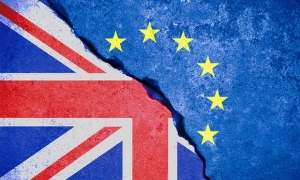

The average number of new tax cases sent to the CJEU has risen by a fifth since the credit crunch, as more businesses and other taxpayers have used the court to challenge the actions of national tax authorities. The CJEU has ruled in favour of business claimants against national tax authorities in several high-profile cases, enabling millions in overpaid tax to be re-claimed.
Andrew Scott, director at Pinsent Masons, comments: ‘EU law has been used to contest a range of taxes levied by member states. EU anti-discrimination rules were used to over-rule the UK’s tax treatment of dividends paid by foreign subsidiaries of UK companies, for instance. It was argued that, in contravention on EU single market rules, they were being taxed more heavily than dividends from UK subsidiaries.’
Future links uncertain
Now, with future links to European courts uncertain, Pinsent Masons predicts that there could be a rush for cases to be heard. Mr Scott said: ‘Although it’s business as usual at present, Brexit means that the power of the CJEU over UK law will end but at an unknown time in the future. UK claimants will therefore be considering whether to launch proceedings now so as to increase the likelihood that their claims are protected as and when the UK does leave the EU.
‘UK claimants might be concerned that, once it is out of the EU, the UK government will attempt without notice – as they have in the past – to remove the ability to bring a claim based on EU grounds even where EU law applied at the relevant time.’
Email your news and story ideas to: [email protected]