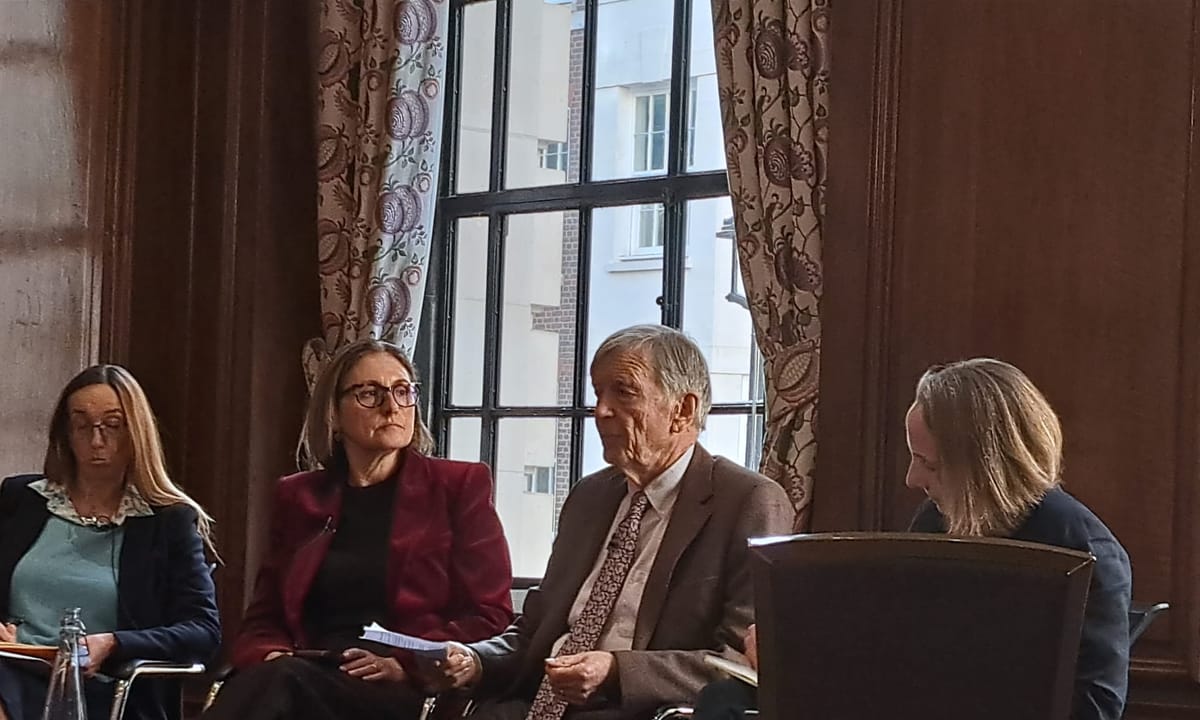

Climate change is reshaping work across the Bar, with legal risks extending from corporate governance and commercial disputes to professional duties, a panel at the Bar Conference heard.
Zoe Leventhal KC of Matrix Chambers, who moderated the discussion, framed it around a simple proposition: climate issues may no longer be confined to environmental law.
Lord Carnwath of Notting Hill, a former Supreme Court justice, traced the development of climate litigation from the period around the 2015 Paris climate conference. He said climate change emerged as a major issue in the run-up to that conference and at the time “there was a really strong feeling then that we were actually getting somewhere”.
Carnwath contrasted that optimism with subsequent political shifts, particularly in the US. He referred to litigation in Europe, especially in the Netherlands, which he said established “for the first time, governments have a duty in relation to climate change”.
He also cited the youth-led Juliana v United States proceedings in Oregon as a positive sign, adding that courts globally had not found evidence to deny climate change.
Estelle Dehon OBE KC of Cornerstone Barristers described climate change as “legally disruptive”. She said: “You cannot confine [climate change] to the box marked ‘environmental law’.”
She cited shareholder actions against major carbon emitters, trustees’ treatment of sustainability as a financial consideration and claims arising under consumer and competition law as examples of as to why.
Dehon told delegates that “there is no area in which we practice that will not be impacted by this issue”. She also warned that “lawyers will be in the crosshairs for the advice they are giving”, citing ongoing litigation against fossil fuel companies in which legal advisers had been named as defendants.
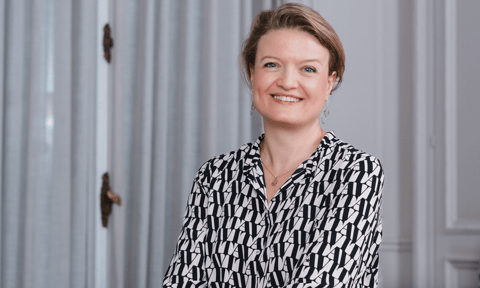
The discussion then turned to the evidence behind climate risks and the consequences for clients. Tanya Steele, chief executive of WWF UK, drew on the organisation’s Living Planet report, noting that monitored wildlife populations had declined by 73% between 1970 and 2022. Yet “the decline is not yet locked in”, she said, adding that “we are already way ahead of where the climate consensus was originally”.
Steele described the effects of warming and biodiversity loss, including a glacial collapse in Nepal. She said a payment from the UN Loss and Damage Fund to Nepal amounted to less than 0.5% of the reconstruction costs required. She also linked illegal deforestation and agricultural runoff in Brazil to long supply chains serving UK consumers, and to potential risks for commodity suppliers and retailers.
Climate disruption was already a business cost, Steele said, citing a World Business Council for Sustainable Development poll in which 47% of companies reported higher climate costs in the previous year. “This isn’t a faraway government report – what is the plan?” she asked.
For practitioners, Dehon argued that being “climate literate” was becoming a matter of professional competence.
Discussing the duty of candour, she said lawyers should not recklessly mislead courts by disregarding scientific evidence. She stressed that “it is obviously entirely proper to advance a client’s case on instructions, including a weak case, and it’s proper to test the evidence”.
However, she added: “Guidance makes clear that recklessness includes being indifferent to the truth.” Her message to the profession was that “the call is for us to upskill, to become climate literate”.
The panel also considered the cab rank rule and barristers representing major emitters. Dehon said: “There’s an ethical obligation when representing major emitters to ensure that they understand the extent to which they are affected by climate risk, including legal risks too.”
Delegates heard guidance from the Law Society and the Bar Council intended to help lawyers navigate those issues in a lively but thought-provoking debate on a key theme of Bar chair Kirsty Brimelow KC’s year of office.
Email your news and story ideas to: [email protected]