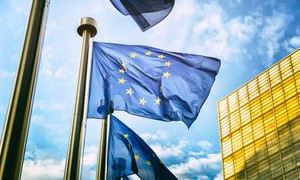
According to three senior EU officials close to the drafting process, there is growing consensus in favour of obliging large multinational corporations, including those based in the US, to publicly disclose their profits and tax payments to the public on a country-by-country basis for each and every EU market in which they operate. The European Commission is reportedly concluding its impact assessment for the new legislation, which is slated for announcement on 12 April.
Ending tax secrecy
The legislation would expand to other sectors a version of an existing set of disclosure obligations already in place for banks and resource extraction companies. The added accountability safeguard would move the EU a step up from existing Organisation for Economic Co-operation and Development agreements on base erosion and profit shifting, which focus only on disclosure to tax authorities and not the general public. However, as public and political fury over multinational tax-dodging continues to escalate, EU officials hope to bolster accountability and self-regulation by stripping away the secrecy surrounding corporate tax arrangements.
Loophole fears
It is understood that the new legislation will be designed to target the biggest and most publicly notorious side-steppers of European taxation, including Apple, Google and Facebook. However, a specific earnings threshold above which companies would be obliged to publicly disclose their tax arrangements under the new rules has not yet been set. According to Tove Maria Ryding of the European Network on Debt and Development, the effectiveness of the new legislation may hinge upon how high or low this cut-off is set. By way of example, if the revenue threshold were set at €750m, then around 85 per cent of the world's multinationals would be exempt. 'If you want to have a situation where small and medium enterprises who don't use these tax structures can compete, then we can't leave 85 per cent of the multinationals with very obvious loopholes that mean they can avoid taxation,' she said. Sources: The Guardian; Financial Times; Economic Times
Email your news and story ideas to: [email protected]