
The Legal Services Board (LSB) has announced enforcement action against the Solicitors Regulation Authority (SRA) following an independent review that found the regulator failed to protect consumers affected by the collapse of Sheffield-based law firm SSB Group.
SSB, which specialised in civil litigation claims, entered administration in 2024 with debts exceeding £200m, mainly stemming from litigation funding loans used to pursue high-volume claims over alleged defects in cavity wall insulation. Many former clients, who had been assured of ‘no-win no-fee’ arrangements, were later pursued for substantial legal costs, resulting in severe financial and personal hardship.
The LSB commissioned Northern Irish law firm Carson McDowell to examine whether the SRA acted effectively on more than 100 reports concerning SSB’s conduct and financial management between January 2019 and March 2024.
The review concludes that the SRA “did not act effectively or efficiently” and failed to take all necessary steps in response to warnings, leaving consumers and the public interest inadequately protected. The report calls for procedural changes to prevent similar failures.
In response, the LSB has endorsed the findings and agreed to initiate statutory processes under the Legal Services Act for a public censure and the imposition of performance targets with monitoring.
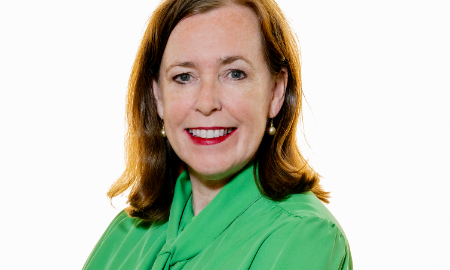
Catherine Brown, interim chair of the LSB, said: “The former clients of SSB have suffered profound emotional and financial harm. There were several early warning signs about the firm, but this review reveals that the SRA failed to act on these. In the board’s view, these shortcomings allowed SSB to cause further harm to its clients and weakened trust and confidence in the regulation of legal services.”
Brown added that the action reflects “the scale of the human impact and the importance of holding regulators to account”, stressing that the SRA must “sharpen its approach” to assessing reports and act decisively when intervention is warranted.
SRA chair Anna Bradley said the SRA had accepted the report’s recommendations and had begun steps to address the issues, saying: “We are sorry that we did not act more quickly in relation to SSB, and that issues in our handling contributed to the harm and distress suffered by the many vulnerable consumers affected.”
She added: “We fully accept the recommendations of this review and are committed to doing all we can to learn from this event.”
In a media briefing, Bradley gave her unequivocal acceptance of the SRA’s failings. She refused to resign, saying: “It’s not our view that a resignation is going to help. We need to focus on the work in hand and ensure that the organisation changes in the way that I have described… We are confident that we have the capability and capacity internally to address those issues.”
Outgoing CEO Paul Philip also acknowledged mistakes were made: “It’s clear that one of the major mistakes we made [was] that, between 2019 and probably early 2020, there were quite a number of complaints, and we should have recognised those,” saying the SRA “didn’t do well enough”.
However, both he and Bradley were at pains to say the SRA were “putting in arrangements to make sure that we are better able to pick up on patterns and risks from the data that we’re seeing”.
The LSB noted that its enforcement measures complemented directions issued earlier this year following its review into Axiom Ince, which attracted much comment from solicitors, little of it positive.
Bradley said the SRA had “made significant changes to the way we work since 2024. We will now build on this, addressing any additional areas for improvement outlined”.
The SRA said it had reviewed the case in 2024, identifying remedial actions, many of which have now been implemented and mirror those called for in the review.
Additionally, the SRA noted it had launched a thematic review, sought a mandatory declaration of compliance from similar firms, and issued a discussion paper on the main challenges with the way the sector is operating.
It added that it had collaborated with the SSB Victims Group, Citizens Advice, the insurance industry and others to explore redress options, which include claims for solicitor negligence through SSB’s insurance, for poor service through the Legal Ombudsman, and for insurance via the Financial Ombudsman scheme.
The statutory process allows the SRA and the Law Society to make representations before any final decision on sanctions. The latter did not hold back in its criticism.
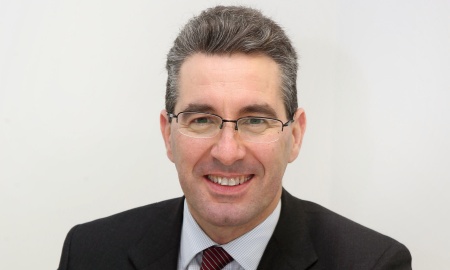
New Law Society president Mark Evans accused the SRA of “lacking grip on managing key risks and responding adequately to protect consumers”.
He said: “The report lays bare a lack of leadership and oversight of regulatory procedures at the SRA. This is despite knowing the risks posed by bulk cavity wall insulation cases, the previous failure of Pure Legal from which the SRA transferred clients to SSB,” amid multiple reports from MPs, lawyers, victims and others.
Acknowledging the SRA is due to have new leadership, he said: “That change comes at a crucial time,” adding the regulator had been “severely dented” by both the Axiom Ince and SSB reviews.
Evans added: “Both independent reviews separately concluded that the SRA failed to act adequately, effectively and efficiently and failed to take all the steps it should and could have taken,” which he said required culture change and focused leadership to fix.
He concluded: “Strong and continuing oversight of the SRA is needed to ensure it acts on the report’s recommendations,” saying solicitors and consumers had been “badly let down”.
Email your news and story ideas to: [email protected]