
Compelling storytelling is a key differentiator for luxury brands in an increasingly competitive market.
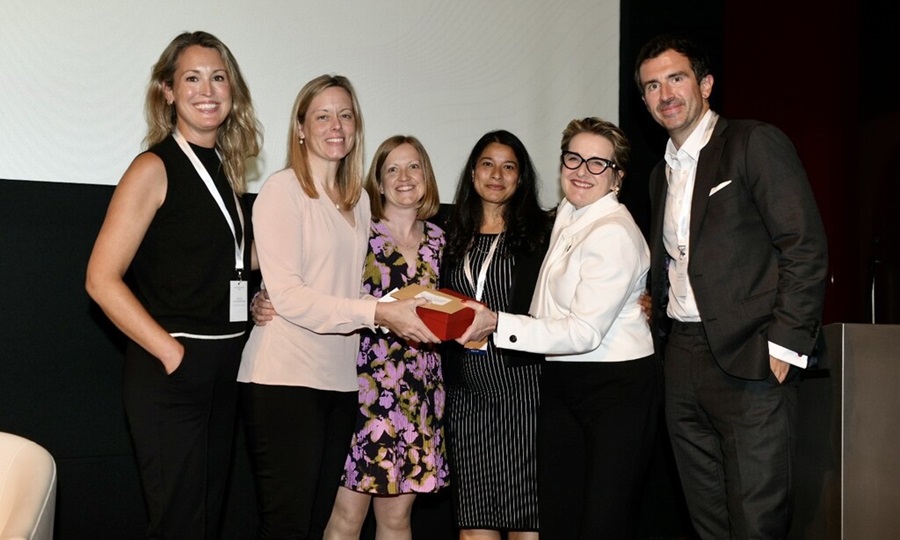
That was a recurring message at this year’s Luxury Law Summit, held on 10 June at the British Museum and hosted by the Global Legal Post and the Luxury Law Alliance.
Delegates were reminded that luxury is about selling a dream, not just highlighting superior materials or craftsmanship. To truly stand out, brands must tell their story. Panellists emphasised the importance of using social media, creators and influencers to “bring people in” and create a strong emotional connection.
In what has become an essential fixture in the luxury calendar, general counsel mingled with external counsel at the British Museum to hear leading voices from across the sector – from fashion and retail to hospitality, travel and automotive.
Representatives from iconic luxury brands including Liberty, De Beers, Charlotte Tilbury and Selfridges discussed how they navigate the evolving demands of their sectors, addressing challenges such as artificial intelligence, trade tariffs and digital transformation.
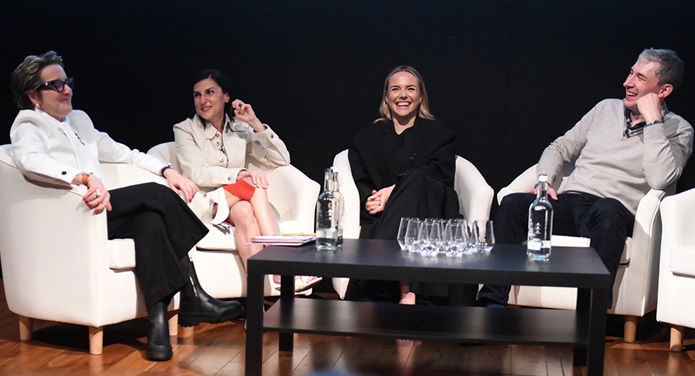
Conference chair Abbi Hunt, general counsel at Belmond, interviewed Alexandra Shulman, who led British Vogue for 25 years. They discussed the shift from physical products to storytelling and experiential marketing, and the evolving luxury landscape.
Shulman observed how luxury has expanded into different areas, even to olive oil. Fashion houses no longer limit themselves to traditional partnerships in the film industry – they don’t just dress actors but also step into financier and producer roles.
Other summit highlights included an interview with iconic British designers Karen Millen and Julien Macdonald, who discussed how they have juggled their creative drive and vision with the challenges of running their own businesses.
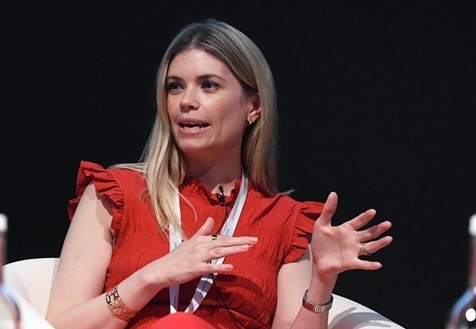
Rebecca Giannatta, former general counsel at fashion platform Lyst, interviewed Lyst CEO Emma McFerran, who was excited about the potential of AI to revolutionise customer behaviour and shopping experiences, predicting that consumers will continue to explore the world of fashion in new ways and through new technologies.
Below are four additional takeaways from the day.
Tariffs
The turmoil surrounding global trade tariffs and how to mitigate their effects was the focus of a number of sessions. It is a volatile situation clouded in uncertainty; indeed, attendees were told “to get used to” the current geopolitical climate.
Panellists discussed how to use the three pillars of customs – classification, country of origin and valuation – to minimise the impact of tariffs.
The audience was warned to prepare for an increase in US customs audits and investigations. US customs are using AI tools to check details such as the country of origin of goods, with audits increasingly seen as a revenue-generating measure.
Delegates were told to reach out to customs and trade advisors to discuss options for reducing dutiable value through valuation strategies. Manufacturing locations should also be reviewed to potentially shift production to countries with favourable US trade agreements.
General counsel as ‘cultural mediators’
Speakers discussed the broader role of in-house lawyers, including their role in compliance, strategy and business enablement. They emphasised the need for in-house lawyers to be truly enmeshed in their businesses – to be seen as a “trust base” rather than as a legal team standing to one side and viewed by colleagues as something to “get past”.
A big part of the role, panellists said, was simplifying things for the rest of the business, distilling what people need to know into easily digestible chunks.
Discussion emphasised the importance of understanding the creative direction of brands to effectively advise and support legal and business decisions. As reputation and brand are crucial in luxury, in-house teams should understand the creative direction of the brand and act as a “cultural mediator” between the CEO and the creative director.
The role of private practice
Various sessions explored the relationship between in-house lawyers and their legal advisers. Law firms must truly understand their clients’ businesses to provide a tailored and valuable service, attendees were told.
Speakers emphasised that both sides needed to prepare for panel reviews. External law firms also need to get the basics right by meeting deadlines and using the correct names and brands in responses.
Panellists advised law firms to calibrate touchpoints according to need; sometimes, all that is required is a five-minute chat about a new piece of legislation.
Other recommendations included adapting communication methods to match clients’ preferences, whether it be by WhatsApp, email or phone calls. Law firms should also resist the temptation to bring too many people to meetings; everyone should be there for a specific reason.
One speaker urged advisers to “bring some fun into the room” – as the two sides may need to spend a considerable amount of time together, they will need to get on.
M&A
The role of private equity (PE) in the luxury M&A market was explored, with speakers noting its smaller presence compared to other sectors. The bar is “exceptionally” high for PE to get involved in luxury deals, delegates were told.
Turning to emerging trends, speakers had noticed that companies are offering parts of their supply chain for sale as opposed to the whole business, while beauty had a lot of growth potential, as did premium and low-alcohol products.
“Fire sales” in the retail sector were also predicted due to lack of cash and investment, with opportunities for stronger brands to pick up bargains as they adapted to living with uncertainty.
Forthcoming Luxury Law Summits
Luxury Law Summit Milan, Palazzo Emilio Turati, 8 October - click here for more information
Luxury Law Summit New York, The Metropolitan Club, 12 November - click here for more information
For sponsorship enquiries email: [email protected]
For delegate enquiries email: [email protected]
Email your news and story ideas to: [email protected]