
Women now make up 40% of all judges in England and Wales, a 12% increase over the previous decade, according to the Ministry of Justice’s (MoJ’s) latest annual diversity statistics.
At the same time, women now make up 54% of tribunal judges, a 10% increase since 2016. Female representation across the rest of the legal profession also continued to rise steadily, with women now making up 42% of barristers, 54% of solicitors and 78% of chartered legal executives.
The data shows that there was no difference in outcomes between female and male candidates when selected for judicial positions. Female candidates made up 50% of the eligible pool and received 55% of recommendations in legal judicial selection processes in 2025-26.
Meanwhile, there has been a gradual increase in the proportion of Asian and mixed ethnicity individuals in the judiciary since 2016.
However, the share of Black individuals and those classified as ‘other’ groups has essentially stalled at 1.4%-1.6% while the proportion of female judges and those from minority ethnic backgrounds remains concentrated in less senior judicial roles.
Although outcomes for white and minority ethnic candidates were comparable within the eligible pool, the data indicated a bias favouring white candidates in the transition from application to recommendation.
The survey showed a slight fall in the number of non-barristers, from 31% last year to 30% of all court judges, although they accounted for 60% of tribunal judges. Both figures represent a decrease of 4% and 5% from a decade ago.
While solicitors (44%) were more numerous than barristers (37%), they accounted for a smaller share of recommendations (31% compared to 46%).
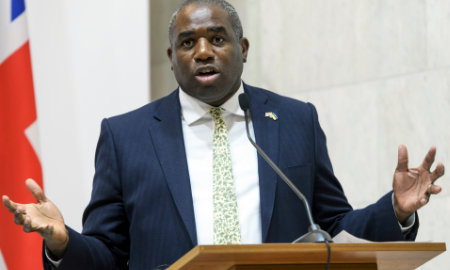
Lord Chancellor David Lammy, who while in opposition led a survey on ethnic minority experiences of the criminal justice system, said: “These statistics show real progress being made. But we must continue to go further to ensure talent from all backgrounds can fulfil their full potential.”
Lammy added: “That’s why we established the Judicial and Legal Diversity Board, bringing together leaders from across the profession to break down barriers and create a judiciary that reflects modern Britain.”
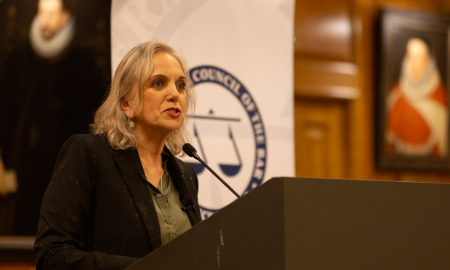
Kirsty Brimelow KC, chair of the Bar Council, said she was concerned “progress had completely stalled in terms of the proportion of Black judges”, adding: “Under the new Judicial and Legal Diversity Board we must interrogate why there has been no progress so we can begin to see this trend changing.”
Noting the inclusion of social mobility data, she said the report found disparities across multiple measures. Those who attended state school had a slightly lower recommendation rate than those who attended independent or fee-paying schools.
Applicants who were first in their family to attend university also had a lower recommendation rate than those with parents who attended university. Those from lower socio-economic backgrounds also had lower recommendation rates than those from professional or intermediate backgrounds.
Brimelow said: “Social mobility is one of the priorities for my year as chair of the Bar because far too often people who don’t have opportunities in their childhood miss out on incredible professional careers,” noting both professions should be open to all.
Welcoming the publication of the data, she added she would work with the new diversity board and others to address disparities.
Law Society of England and Wales vice president Brett Dixon agreed, adding that those insights, as well as others on sexual orientation, provided a fuller picture of diversity, but added that “significant progress is still required before the judiciary can truly represent the wider society”.
He called the progression of black lawyers on the Bench “disappointingly stagnant”, adding that efforts to make improvements weren’t having the desired impact.
“While there have been some positive changes regarding Asian and mixed-ethnicity candidates, there has been effectively no progress regarding Black candidates,” he concluded.
On solicitor representation, he expressed concern that solicitors continued to be appointed to the judiciary at disproportionately low rates compared with barristers.
“Until this percentage significantly increases, we will struggle to persuade our members that entry to the judiciary is a level playing field or that their skills are understood and valued,” he concluded.
The Global Legal Post is the organiser of the Women and Diversity in Law Awards, which recognise the achievements of legal professionals, organisations and teams across the UK driving meaningful progress in diversity, equity and inclusion.
Email your news and story ideas to: [email protected]