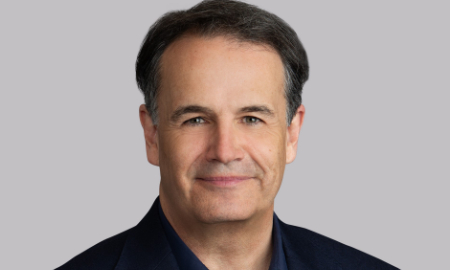
Loeb & Loeb partner Michael Barry works with luxury brands and fashion companies based in the US, Europe and internationally. For more than two decades, he has served as outside general counsel for the US subsidiaries of several international companies, helping them navigate the US legal landscape of corporate governance, retail leasing and employment matters.
In this Q&A, he shares why flagship strategies, compliance pitfalls and emerging consumer segments will define the next chapter for luxury brands. He also shares how forward-looking brands can position themselves to stay ahead.
How would you describe the current state of the luxury brand industry?
The luxury market is both resilient and fragmented. Unlike a single industry, luxury spans multiple sectors, from apparel and jewellery to hospitality and furniture. Each is experiencing different pressures and opportunities. Apparel and fashion have a few soft spots, while jewellery and watches remain somewhat stable, and hospitality continues to find growth.
Retail is showing renewed strength, especially as luxury brands reinvest in brick-and-mortar and continue to invest heavily in their e-commerce businesses. But the legal landscape presents challenges. Many brands are being targeted with lawsuits over alleged regulatory non-compliance, from advertising and environmental claims to claims under the Americans with Disabilities Act (ADA). Because it’s nearly impossible to achieve full compliance across all platforms, claims under the ADA have become a recurring cost of doing business, often resolved with quick settlements that still leave a lasting mark. I have clients who are battling numerous claims filed within weeks of each other.
Real estate is another pivotal piece of the luxury puzzle. New York’s Madison Avenue, once left behind in favour of downtown and Soho’s cool factor, is seeing a resurgence. Vacancy rates, which hovered near 28% after the pandemic, have dropped to around 6.5%, and luxury houses are seizing opportunities to re-establish flagship presences. Brands are experimenting not just with leasing but also with purchasing retail properties, a trend that raises questions about whether luxury companies are prepared and equipped to manage real estate portfolios.
What’s clear is that there’s renewed confidence in physical retail, from Madison Avenue to Soho, Chelsea and beyond, even as e-commerce remains a key channel.
With shifting consumer expectations and economic pressures, how are luxury brands balancing innovation with preserving brand identity?
Luxury brands are continuing to leverage new technologies, sustainability initiatives and hyper-personalised experiences. Meanwhile, they are also very focused on the importance of heritage, authenticity and exclusivity. I’m seeing the multiple brands that I work with flourish by pushing artistic and technological boundaries while keeping a close eye on what defines true luxury.
What legal and regulatory developments, particularly in the US and EU, should luxury brands be paying close attention to, and how might these affect cross-border collaborations or operations?
Luxury brands operating in the US and EU are having to closely monitor rapidly shifting legal and regulatory landscapes, including sustainability and environmental, social and governance reporting mandates, anti-money laundering (AML) rules, and, of course, tariffs. The EU, in particular, has been busy, with its new AML Authority bringing harmonised due diligence and reporting rules and new unified and streamlined sustainability reporting requirements, merging several sustainability directives into a digital compliance programme. Successful luxury brands, with the help of their outside consultants, are adapting their legal, regulatory and supply chain strategies to maintain competitiveness and sustainable cross-border collaborations.
Looking ahead, what emerging trends or challenges do you believe will most influence luxury brands, and how should brands prepare to stay ahead?
Luxury remains under some pressure, with recent reports showing some high-end fashion houses posting weaker sales numbers. Yet, with the global customer base broadening, the overall outlook does suggest growth.
Luxury has historically focused on the ultra-wealthy, but I am seeing new brands and categories engaging with consumers with an emphasis on greater accessibility. Existing brands will need to watch this shift carefully when reviewing pricing strategies and distribution channels. Collaborations and marketing have always been important, but I’m seeing renewed focus on these strategies.
Overall, striking the balance between exclusivity and a more competitive landscape is going to be key for successful brands, and for those that do, the future continues to look promising.
Based in New York, Michael is a partner in Loeb & Loeb’s advanced media and technology practice. He is admitted to practise law in New York and England and Wales.
Email your news and story ideas to: [email protected]