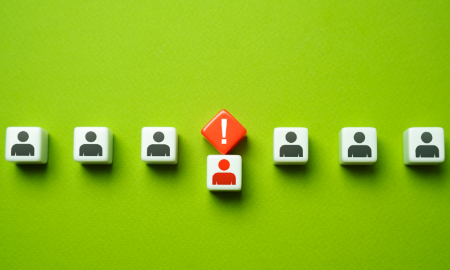

Almost two-thirds of employees at US companies say misconduct is overlooked when top performers or leaders are involved, according to a report by TalentLMS.
The ‘Do US employees feel protected at work?’ survey found that 62% of respondents agreed that companies would look the other way if misconduct involved higher-profile employees, creating a sense of unequal accountability and fuelling mistrust.
Another 45% of respondents said they have seen people receiving promotions even after mistreating others, while 47% said their managers discourage employees from escalating harassment or discrimination complaints. As many as 42% of respondents worry that speaking up will label them as ‘difficult’.
That backdrop has contributed to misconduct often going unreported: 25% of employees said they have not reported incidents they have witnessed or experienced. More than half (56%) said it was because they believed reporting wouldn’t make a difference, while 36% said they feared retaliation if they filed a report.
That fear is rooted in experience: 36% of respondents said they had witnessed and 33% said they had experienced incivility or disrespect as a result of misconduct being reported. Another 29% said they had witnessed and 24% said they had experienced professional or social exclusion as a result, while 25% witnessed and 21% experienced retaliation for speaking up.
The findings showed this could have an impact on talent retention, with more than three quarters of respondents (77%) saying they would consider leaving their job if they didn’t feel protected.
Theoni Velkou, compliance manager and data protection officer at Epignosis, TalentLMS’s parent company, said that a lack of training can sometimes exacerbate these problems if people don’t understand what steps they can take to report misconduct. Training can also help build trust by making people feel more comfortable speaking up, Velkou said.
Some 60% of respondents said compliance training has improved behaviour in their workplace, while 36% said training that focused on realistic scenarios would reduce misconduct. However, 31% said they feel less protected in the workplace since their companies have pulled back on diversity, equity and inclusion initiatives amid a crackdown on DEI from the current Trump administration.
The report was based on a survey of 1,000 US employees.
A report from Hogan Lovells published earlier this month found that companies are facing divergent employment laws around the world, highlighting Trump’s efforts to enforce against what he calls “illegal DEI”, which is putting pressure on private businesses to revaluate their DEI programmes.
Email your news and story ideas to: [email protected]