



In 2026, several US cases are testing the legal boundaries in fashion, apparel and beauty, including disputes over IP protection for minimalist design, the rise of ‘dupe’ culture, and when competitive practices cross into infringement. In addition to examining cases poised to shape this year’s landscape, we review 2025 cases that continue to set precedent and offer insight into industry trends.
WHOOP. v. Shenzhen Lexqi Electronic Technology
Whoop, a Boston-based wearable technology company, sued Shenzhen Lexqi, a Chinese manufacturer of wearable technology devices, for making and selling knockoffs of its wearable fitness tracker. Filed in the Massachusetts federal court, Whoop’s complaint sued for trade dress, unfair competition and false designation or origin under the Lanham Act.
This case is based on Shenzhen’s online sales of wearable fitness trackers on Amazon under names such as ‘SGJIK’ and ‘EGQINR’. Wearable fitness trackers like watches have been gaining popularity in recent years, but Whoop claims to be unique in its distinctive minimalist strap-and-clasp screenless design. Whoop is seeking to protect elements of its design, such as the U-shaped clasp mechanism, the hinged sides, the rectangular sensor module and the strap and sensor configuration.
Whoop must show that its minimalist design is both meaningfully distinctive from other designs in the wearable tech space, and non-functional. This standard begs the question: is this minimalist design enough to warrant trade dress protection? Whoop argues that the copied design is a source identifier and misleads consumers into thinking that they are buying Whoop products, which tarnishes the brand’s reputation for quality. Whoop is seeking monetary damages, disgorgement of profits and injunctive relief to prevent future sales.
This case is receiving a lot of attention because it highlights service of process issues with a foreign defendant. It also emphasises the increasing tension between US brands and foreign manufacturers regarding intellectual property protection. As the ‘minimalist aesthetic’ trend continues, this case serves as an important precedent for whether minimalism should receive trade dress protection.
Lululemon USA v. Costco Wholesale
Last summer, Lululemon USA, a well-known athletic apparel company, sued Costco, accusing the multinational membership-only warehouse club of selling unauthorised dupes of their bestselling athletic-wear. Specifically, Lululemon said that Costco’s Kirkland-brand replicas of Lululemon’s trademarked SCUBA hoodies, DEFINE jackets, and ABC pants constitute trademark and trade-dress infringement, arguing that the items were so visually similar that they posed a risk of confusion to consumers. Lululemon further alleged that the dupes violate their US design patents, which protect ornamental aspects of their clothing, such as the stitching in the DEFINE jacket and aspects of their SCUBA hoodie.
As a result, Lululemon is claiming that Costco has diluted its trademarks and confused customers. Lululemon sued in the US District Court for the Central District of California, seeking damages, injunctive relief and destruction of the infringing inventory. Lululemon’s complaint states that through these dupes, Costco has chosen to “copy rather than compete”, damaging Lululemon’s “hard-earned reputation and immense goodwill”, which was fostered as a result of their high quality, innovation and extensive marketing.
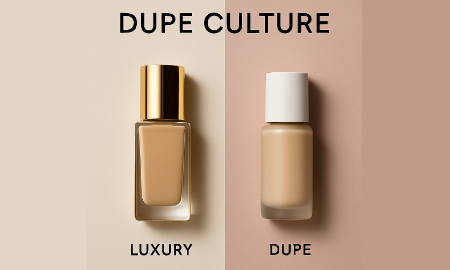
‘Dupe culture’, or the low-cost lookalike products that mimic a premium original, is on the rise, particularly in the beauty and fashion space. As dupe culture continues to gain popularity through social media, companies like Lululemon have been negatively affected more than others. In fact, there is a viral ‘Lululemon Dupes’ hashtag circulating throughout social media platforms such as TikTok and Instagram, as consumers show off products that resemble Lululemon’s signature pieces at significant discounts.
In addition, The Washington Post published articles highlighting the similarities between Lululemon and Costco apparel, including “Is That Hoodie a Lululemon or a Costco Dupe? No One Has to Know But You” and “Are These $20 Costco Pants a Lululemon Dupe? We Investigated”. While knockoff versions of products used to be frowned upon, Gen Z consumers have embraced the more accessible and affordable versions of products and taken their favourite dupes to social media platforms to spread the word.
As a result, the aspirational quality of Lululemon’s apparel is being diluted, and the company has lost some of its market share to knockoff versions. Dupe culture hurts established brands and also comes with ethical production issues. Many dupes come from fast fashion brands with unethical labour practices. It is reported that 93% of fast fashion brands underpay their workers and outsource production to cut expenses, which is why these dupes can be so affordable.
As duping continues to grow in popularity, this case serves as a fashion industry precedent for testing the line between competition and intellectual property infringement, and how far duping can go.
Palas v. Le Domaine
Brandon Palas, owner and founder of ‘Beau D.’ skincare line for men, initiated a lawsuit in the US District Court for the Central District of California against French company Le Domaine, Brad Pitt’s luxury skincare line for men. The complaint alleges that Palas registered the Beau D. mark with the US Patent and Trademark Office in connection with various cosmetic products in International Class 3 based on continuous use since December 2020.
While Pitt’s skincare line for men was initially named ‘Le Domaine’ it rebranded as recently as 2022 when it obtained a federal registration for the newly minted name for the product line ‘Beau Domaine’ in connection with cosmetic preparations, non-medicated body and face care preparations, hair care preparations and essential oils in 2024. Palas alleges that, because he was first to use the Beau D. mark in connection with skincare, and because the Beau Domaine mark incorporates 100% of Palas’s mark, Le Domaine’s mark necessarily causes a likelihood of confusion. Salas asserted claims for trademark infringement, false designation of origin and common law unfair competition.
The lawsuit allegedly comes after failed attempts to settle the trademark dispute. Salas allegedly offered Le Domaine three options: that Le Domaine rebrands, that it enter into a co-existing agreement with Salas or that it fund Salas’s rebranding efforts.
The dispute underscores a key lesson: trademark clearance and legal due diligence are essential, even for well-funded, celebrity-backed brands. In Le Domaine’s case, the company may have chosen to move forward with its rebrand before fully resolving potential conflicts with the Beau D. mark, a decision that may have seemed risk-averse in one sense, but carried significant legal consequences. For emerging businesses, bypassing or rushing these early legal steps can be particularly costly, resulting in litigation, forced rebranding mid-launch and the erosion of substantial investments in packaging, marketing assets and promotional campaigns.
Relying on the USPTO to identify potentially conflicting marks is not a reliable substitute for thorough clearance, as demonstrated here by the registration of the ‘Beau Domaine’ mark despite the absence of any cited conflicting marks during prosecution.
Richemont International v. Malidani Jewelry
In July, Richemont International, joined by its flagship luxury maisons Cartier and Van Cleef & Arpels, filed a lawsuit in the US District Court for the Southern District of New York against Malidani Jewelry. The complaint alleged counterfeiting, trademark and trade dress infringement, unfair competition, design patent infringement and related state law claims.
The plaintiffs assert that Malidani has been selling jewellery pieces that are substantially similar to several protected world famous designs including the Cartier LOVE collection in bracelets, rings and earrings; the Cartier Juste un Clou collection for bracelets and other jewellery; and Van Cleef’s Alhambra Guilloche design, a signature quatrefoil ornament with beaded outer edges and a flat inner portion, protected by trade dress and design patents.
According to the complaint, Richemont representatives visited Malidani’s store and found bracelets, rings and pendants mimicking these designs, priced between $1,500 and $9,000, with many in the $2,800 to $6,000 range. In one instance, a store representative allegedly encouraged the plaintiffs’ agent to visit a Cartier boutique to compare prices and confirm that the differences are undetectable.
Based on the docket, no scheduling order has been entered, but a protective order was filed in November, possibly in connection with limited discovery focused on the defendant’s accounting, which could suggest an upcoming settlement.
This litigation stands out because it involves alleged counterfeit goods positioned at the market’s higher end, with the accused products being priced in the thousands-of-dollars range. The elevated price points and close similarity to Cartier and Van Cleef’s iconic designs appear to create a stronger likelihood of consumer confusion, potentially influencing how courts assess a class of premium counterfeits in luxury goods cases. If the case proceeds, the outcome may shape enforcement strategies for design-heavy brands seeking to protect distinctive trade dress and patented designs from copycat sellers operating in upscale markets.
Sol de Janeiro USA v. MCoBeauty
In another dupe culture dispute, beauty brand Sol de Janeiro filed suit in 2024 against MCoBeauty, alleging that certain of MCoBeauty’s fragrance mists infringe the trade dress of Sol de Janeiro’s Cheirosa body mist line. Sol de Janeiro also claims that MCoBeauty falsely advertises its products as ‘smelling exactly like’ the original Sol de Janeiro line.
The 38-page complaint features numerous side-by-side comparisons of the two brands’ packaging: Sol de Janeiro’s elongated bottles with white caps, numbered names in oval labels and stylised fonts appear next to MCoBeauty’s similar bottles that mimic these elements. According to Sol de Janeiro, MCoBeauty intentionally adopted its trade dress and similar scents to evoke its original products, even while marketing them as alternatives to the original. In support of its false advertising claim, Sol de Janeiro alleges that the “cheap knock-offs” do not “smell exactly the same” because they differ in ingredients, scent intensity and dissipation rate. The complaint also asserts violations of the Federal Trade Commission Act related to MCoBeauty’s use of influencer endorsements and customer testimonials.
In January, the court granted MCoBeauty leave to file a motion to dismiss. In its resulting motion, MCoBeauty contended that Sol de Janeiro is improperly trying to stop lawful dupe competition. Specifically, the defendant argued that:
- Sol de Janeiro lacked Article III standing because it had not shown lost sales or reputational injury and had recently touted exceptional growth and increased revenues;
- Sol de Janeiro’s false advertising claims fail to satisfy the elements required by the Lanham Act because third parties other than MCoBeauty made the statements, the statements were subjective opinions or puffery, and Sol de Janeiro has not shown how these statements caused harm;
- The plaintiff’s New York General Business Law § 349 claim should fail because Sol de Janeiro did not allege harm to the public as the statute requires; and
- Sol de Janeiro’s trade dress infringement claim should be dismissed for failing to provide a sufficiently specific description of its dress, facts showing how consumers link the described dress elements to Sol de Janeiro, and facts demonstrating the likelihood of confusion created by the defendant.
The case underscores the tension between dupe products and fair use in comparative advertising. That is, how far can a competitor go in imitating the look and feel of a product to draw a direct comparison, while clearly stating it is not the original? The court’s eventual ruling may offer important guidance for brands navigating this area.
Whaleco v. Shein Technology and Roadget Business v. PDD Holdings
The ongoing legal disputes in the ultra-fast fashion market between rivals Temu and Shein appear to be nowhere near resolution. Foley reported on these cross lawsuits last year, but recent rulings in both cases have clarified which claims will shape the next phase of litigation.
Temu, operated by Whaleco, entered the US market in 2022 and quickly gained traction with a gamified shopping experience and aggressive low pricing. In December 2023, it sued Shein and its parent company, alleging an extensive campaign to stifle Temu’s growth. Temu accused Shein of weaponising US intellectual property law through unfounded copyright takedown notices, blocking Temu’s access to specialised Chinese suppliers, misappropriating commercial and financial data, and copying core aspects of Temu’s online platform and customer-engagement strategies.
Last September, the US District Court for the District of Columbia issued a ruling on Shein’s motions to dismiss, significantly narrowing the case while leaving several claims intact. The court dismissed Temu’s trade secret misappropriation, antitrust, tortious interference and abuse-of-process claims, and removed Shein’s foreign parent from the case for lack of personal jurisdiction.
However, five central claims survived against Shein itself, keeping the litigation very much alive. Specifically, the case will proceed with Temu’s DCMA claims under Section 512, copyright infringement of Temu’s gamified promotions, fraud on the copyright office, trade dress infringement of Temu’s arcade-style online shopping experience characterised by vibrant orange themes and arcade game-style graphics, and unfair competition.
In August 2024, while Shein’s motion to dismiss was pending in Temu’s lawsuit, Shein filed its own lawsuit against Temu, asserting a sweeping set of federal and state law claims, including trade secret misappropriation, multiple forms of copyright and trademark infringement, trademark dilution, unfair competition, false advertising and product disparagement.
In January, the court issued its ruling on Temu’s motion to dismiss, removing several claims but leaving others standing. Specifically, the court dismissed Shein’s trademark dilution claim for failure to sufficiently plead the fame requirement and dismissed the product disparagement claim. Shein’s cross lawsuit will proceed on its copyright infringement claims, trade secret misappropriation claims, counterfeit and trademark infringement claims, as well as its unfair competition and false advertising claims.
Shein’s false advertising claims are rooted in allegations that Temu distributed influencer guidelines instructing them to falsely claim that Temu’s products are cheaper and of far better quality than Shein’s. Influencer posts allegedly followed these instructions. While a close call, the court found the claim plausible at this stage. On contributory false advertising, the court relied on Eleventh Circuit precedent (and noted Second Circuit recognition) to hold this claim viable.
With both cases advancing on important IP and competitive conduct claims, the dispute shows how rivalry in the online, ultra-fast fashion market has moved beyond simple price competition and can implicate foreign supply chain competition and wars on online marketing.
Lashify v. International Trade Commission
Lashify is a US company that sells artificial eyelash extensions and related accessories. While Lashify designs and sells its products in the US, its products are manufactured abroad. Lashify owns US utility and design patents, and in 2021, the company filed a complaint with the International Trade Commission (ITC) under Section 337 of the Tariff Act of 1930, alleging that other importers of false eyelashes had infringed upon its patents. The ITC determined that while respondents infringed, Lashify failed to satisfy the domestic industry requirement of Section 337, which provides relief against infringing imports “only if an industry in the United States, relating to the articles protected by the patent… exists or is in the process of being established”.
This requirement consists of two prongs: 1) the economic prong, which demands a showing of an industry, and
2) the technical prong, which shows a relation to the patented articles.
The ITC determined that Lashify failed to satisfy the economic prong entirely due to its purported failure to establish significant employment and labour capital by its warehouse, quality control, distribution and sales and marketing expenses. Rather, the ITC determined that these expenses were insufficient, standing alone because there were no additional steps required to make Lashify’s products saleable upon arriving in the US, and the quality control measures were no more than those of a normal importer.
The ITC also determined that Lashify only satisfied the technical prong for two out of three of the asserted patents. Lashify appealed these findings to the Federal Circuit along with one of the Administrative Law Judge’s (ALJ) claim constructions.
The Federal Circuit vacated the ITC’s determination that Lashify’s warehouse, quality control, distribution, sales and marketing expenses should be insufficient, standing alone and remanded for a redetermination of the economic prong. In combing through the history of Section 337(a)(3)(B) and its amendments, the Federal Circuit held that the ITC’s decision to exclude Lashify’s expenses in the employment and labour capital analysis was based on an incorrect interpretation of the statute and wholly contrary to its language. The Federal Circuit affirmed the ITC’s findings that one of Lashify’s patents had failed to satisfy the technical prong and affirmed the ALJ’s claim construction.
The Lashify case is significant because it squarely addresses the scope of the economic prong of the domestic industry requirement under Section 337. The Federal Circuit’s interpretation of Section 337(a)(3)(B) can be viewed as a signal to companies whose manufacturing occurs primarily abroad but whose operational infrastructure is located in the US, and who may have hesitated to initiate an ITC investigation for fear of failing to meet the economic prong threshold. On remand, the ITC’s treatment of Lashify’s expenditures will likely serve as either a roadmap or a cautionary tale for similarly situated import-dependent businesses seeking to use Section 337 to protect their intellectual property in the coming years. Given the increasing globalisation of supply chains, Lashify’s final resolution has the potential to influence patent-related trade enforcement strategy far beyond the beauty products sector.
Foley partner Jeff Green is co-chair of the firm’s fashion, apparel and beauty industry team. He is based in New York and can be reached at [email protected] or +1-212.338.3454.
Jax England and Ashley Koley are associates at the firm. Sarah McGrath is a law graduate.
Email your news and story ideas to: [email protected]